

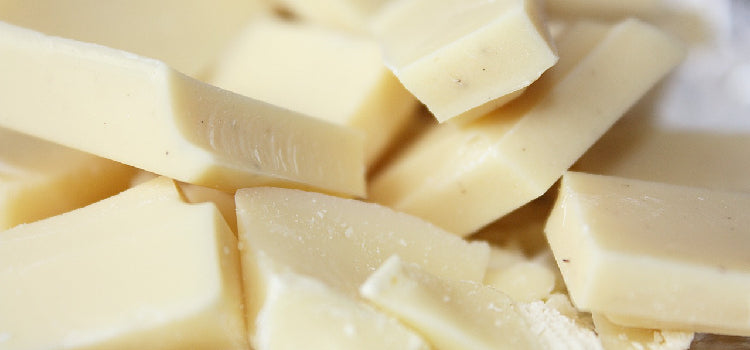

![Organic White Chocolate - Worry Free 39% (Dammenberg)]()
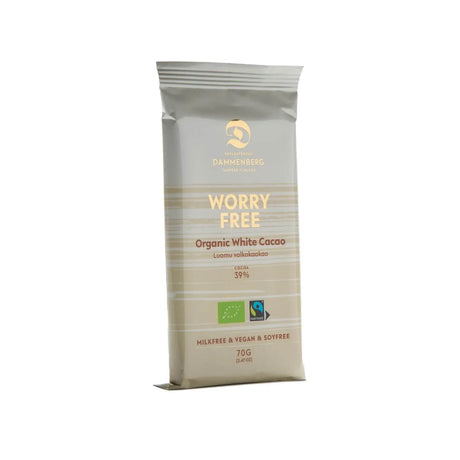
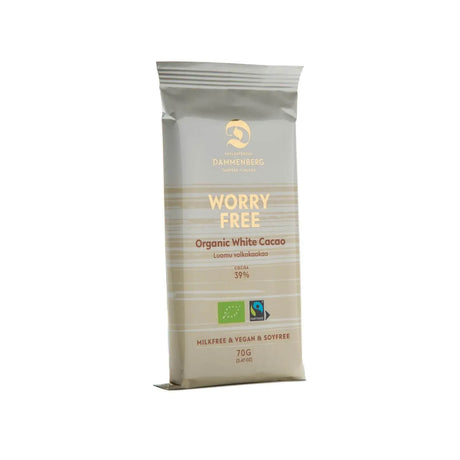
![Organic White Chocolate - Worry Free 39% (Dammenberg)]() Sold out
Sold outOrganic White Chocolate - Worry Free 39% (Dammenberg)
From €5,99 EURUnit price€8,13 EUR / 100gUnavailable
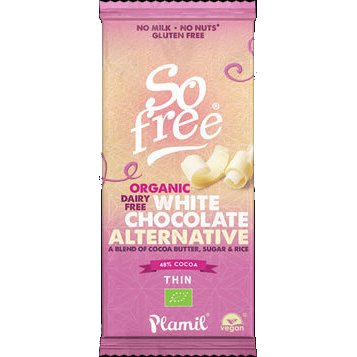
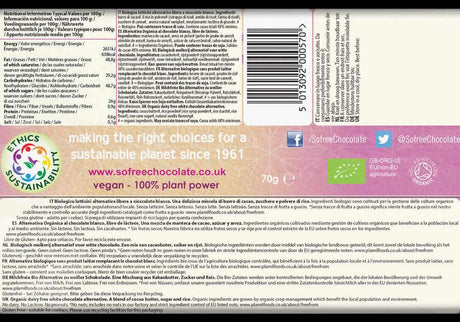
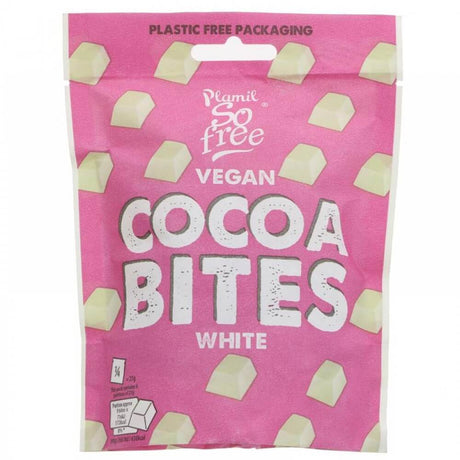
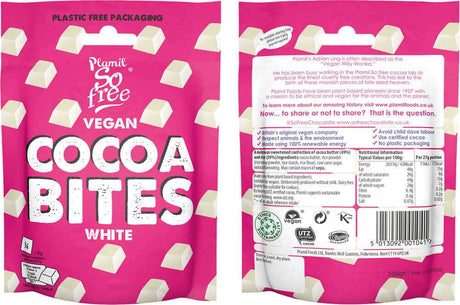
![White chocolate alternative - So free (Plamil)]()
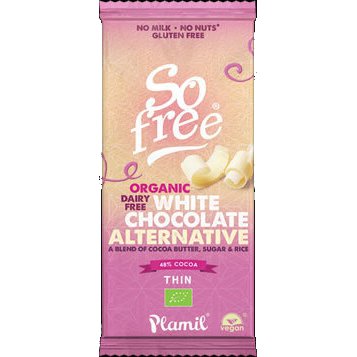
![White chocolate alternative - So free (Plamil)]()

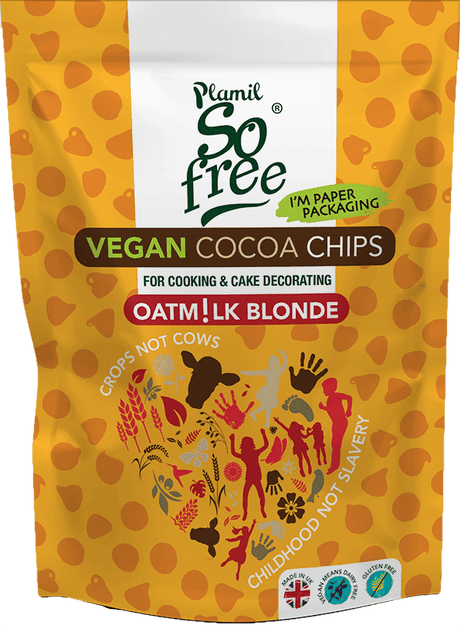
White chocolate alternative - So free (Plamil)
€5,49 EUR€6,49Unit price€6,86 EUR / 100gUnavailable-
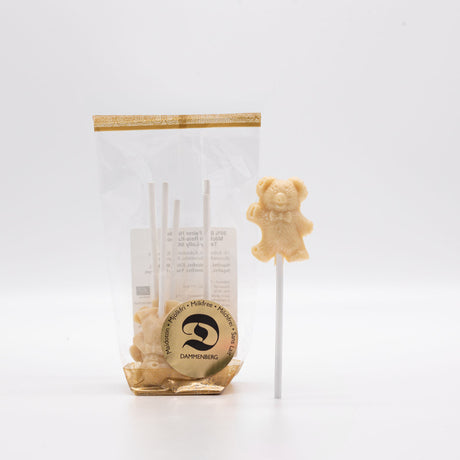
Organic 5x white bear lollipop – 39% (Dammenberg)
€7,09 EUR€7,99Unit price€11,82 EUR / 100gUnavailable -
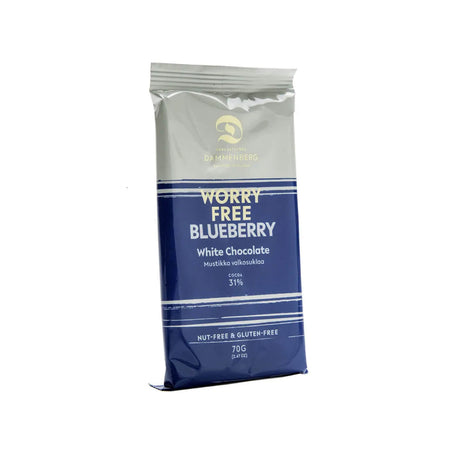
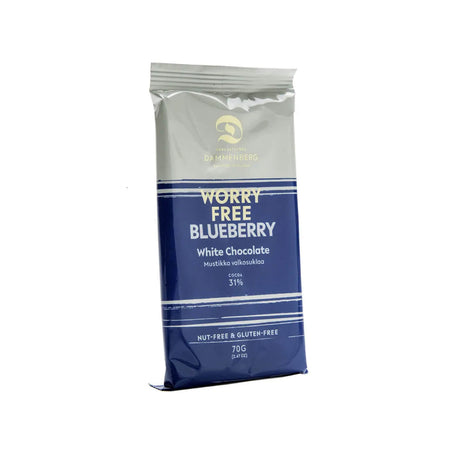
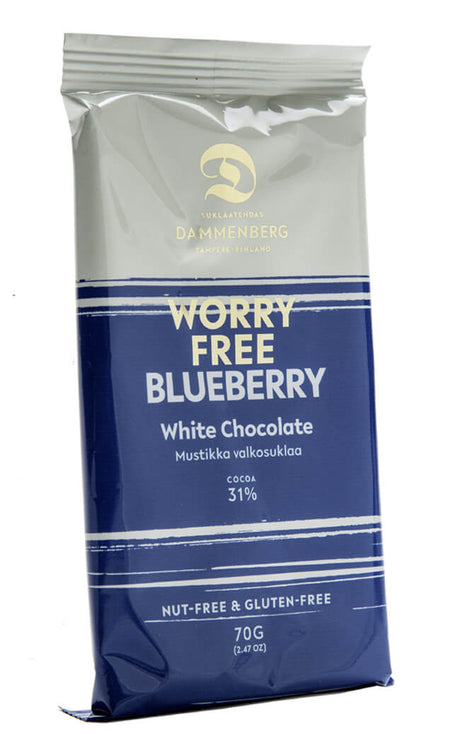
![White Chocolate - Blueberry 31% (Dammenberg)]()
![White Chocolate - Blueberry 31% (Dammenberg)]()


 Sold out
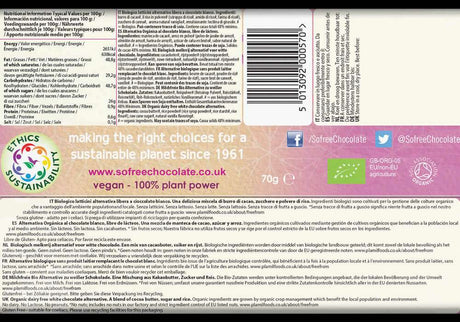
So Free Smooth Rice Confectionery - White Chocolate (Plamil)
€5,29 EURUnit price€4,90 EUR / 100gUnavailable-
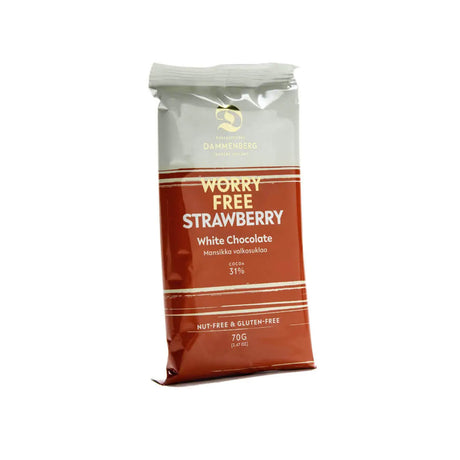
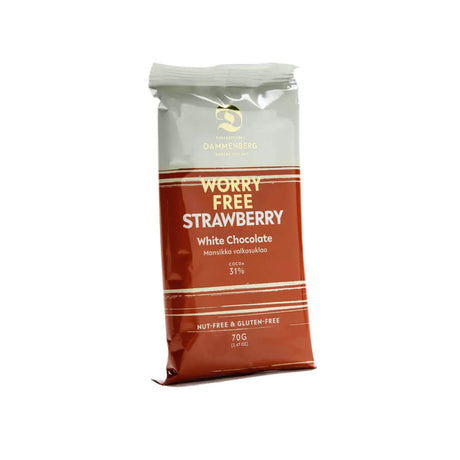
![White Chocolate - Strawberry 31% (Dammenberg)]()
![White Chocolate - Strawberry 31% (Dammenberg)]()
White Chocolate - Strawberry 31% (Dammenberg)
€5,79 EUR€6,99Unit price€8,27 EUR / 100gUnavailableVery low stock (5 units) -
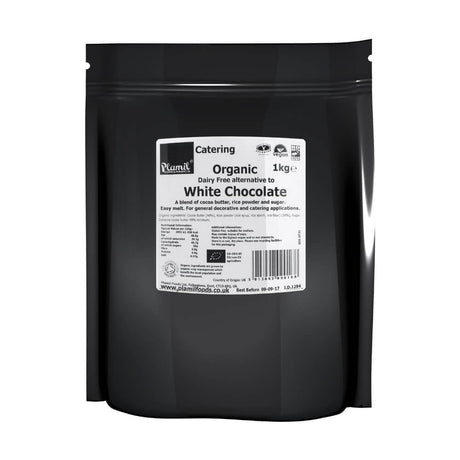
1kg white chocolate drops made from chocolate (Plamil)
€54,99 EUR€69,99Unit price€54,99 EUR / kgUnavailableLow stock (20 units) -
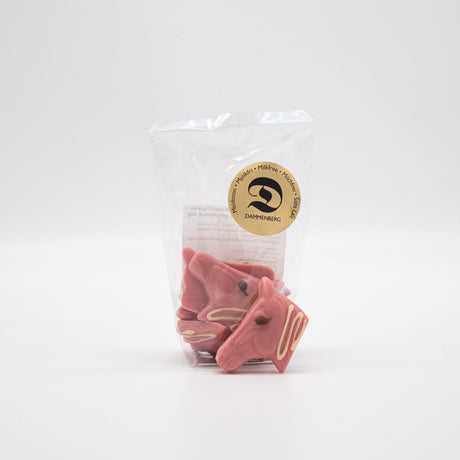
6 white horses raspberry- 39% (Dammenberg)
€6,69 EUR€6,99Unit price€7,43 EUR / 100gUnavailableLow stock (18 units) 
![6 white iced chocolate banana-mango - 39% (Dammenberg)]()
![6 white iced chocolate banana-mango - 39% (Dammenberg)]()
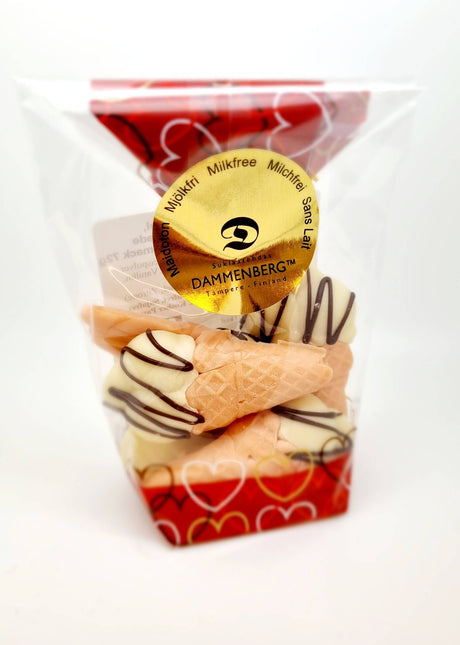
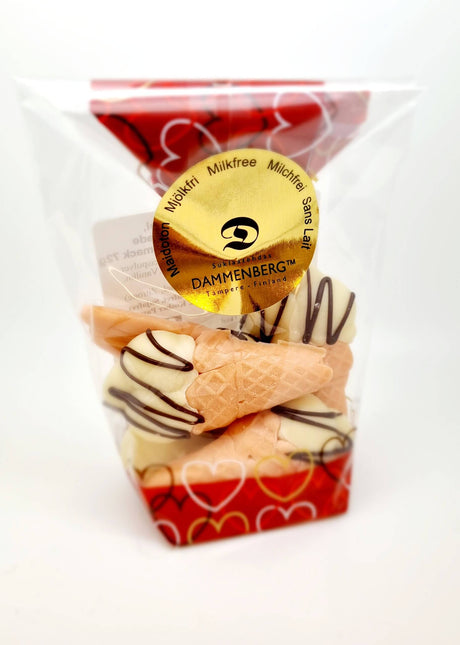
6 white iced chocolate banana-mango - 39% (Dammenberg)
€5,79 EUR€6,99Unit price€8,04 EUR / 100gUnavailableLow stock (10 units)
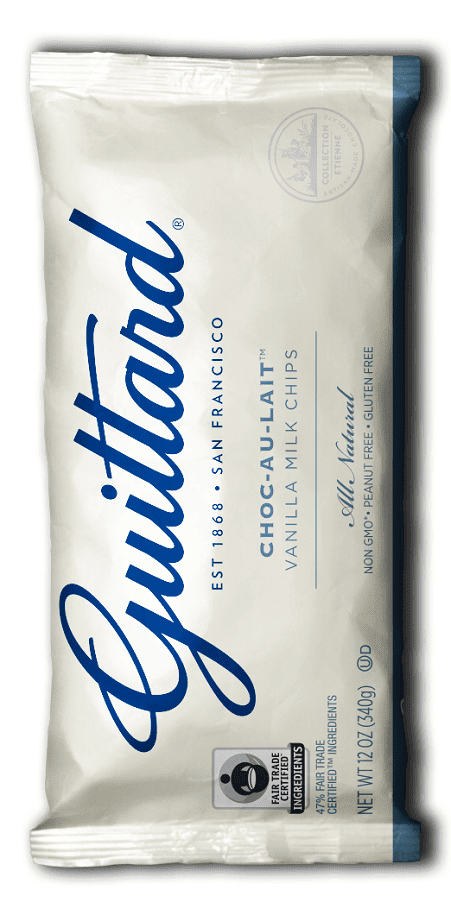
![340g white milk chocolate drops - Choc-au-lait (Guittard)]()
![340g white milk chocolate drops - Choc-au-lait (Guittard)]() Sold out
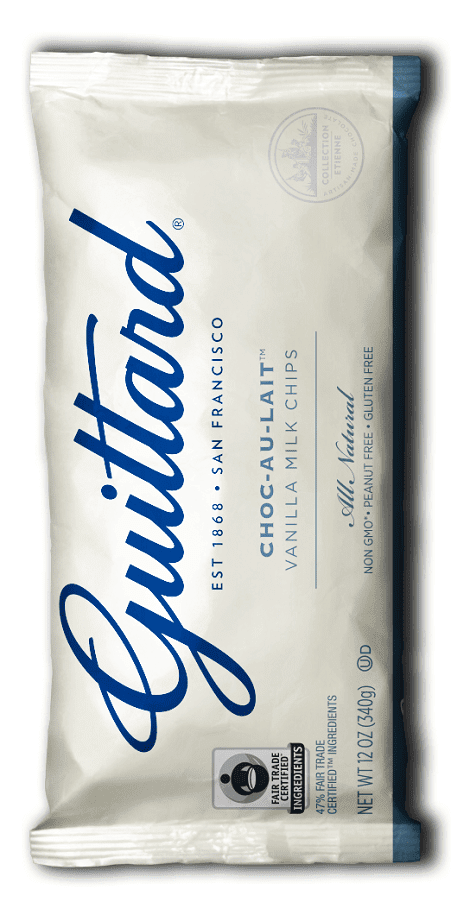
Sold out340g white milk chocolate drops - Choc-au-lait (Guittard)
€13,99 EURUnit price€4,11 EUR / 100gUnavailable
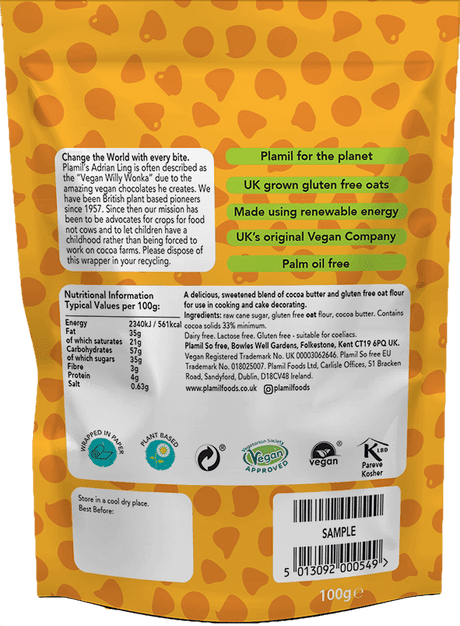
White chocolate caramel chocolate chips with oats - So free (Plamil)
From €4,29 EURUnit price€2,99 EUR / 100gUnavailable-
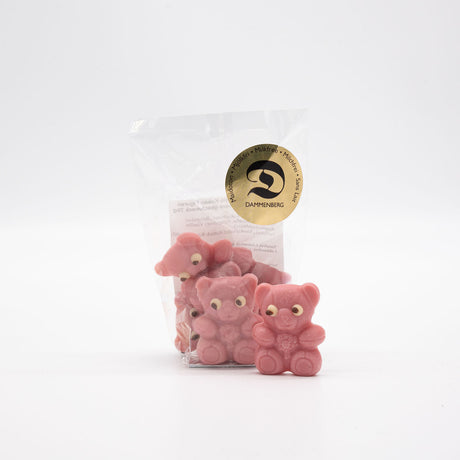
6 white raspberry bears - 39% (Dammenberg)
€6,39 EUR€7,19Unit price€6,66 EUR / 100gUnavailableVery low stock (6 units)

White chocolate for everyone
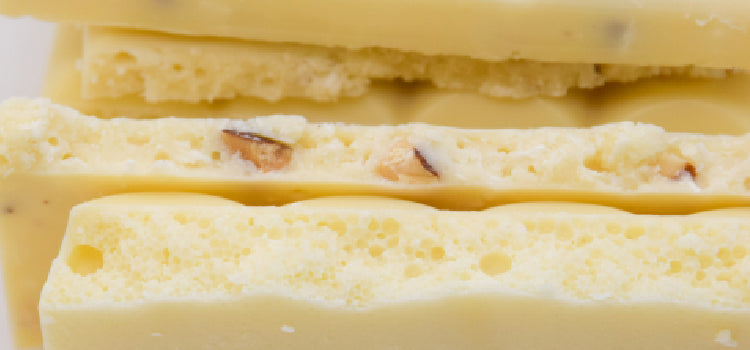
Our white chocolate delights with its diverse flavors from around the world and its special properties. In addition to chocolates from Vietnam and France, we offer other international white delicacies. The Organic White Chocolate Bar - Worry Free 39% from Dammenberg in Finland impresses with its creamy texture and mild aroma. It is gluten and nut-free, making it ideal for people with intolerances. If you prefer something fruity, be sure to try our So Free Smooth Rice Confection Strawberry from Plamil in England – a successful combination of sweet white chocolate and fresh strawberries. This version is also soy-free and offers a light, yet intense strawberry flavor. Another highlight at Schoko Wunderland is the White Chocolate - Blueberry 31% from Dammenberg , featuring real blueberries. This white chocolate is also nut-free, kosher, and dairy-free. Whether you prefer fruity or classic, these varieties offer the perfect option for every taste, while also catering to your individual needs. Try our varieties and order your white chocolate today.

Our varieties – Fair Trade and vegan
Sustainability, including the choice of plantations, and ethical trade are central aspects of Schoko Wunderland's product range. Plamil's White Chocolate with Caramel and Oats combines the velvety taste of white chocolate with a hint of caramel and the natural aroma of gluten-free oats. It's not only Fair Trade certified but also palm oil-free, making it an excellent choice for conscious connoisseurs. For the most wonderful baking experience at home or in your bakery, Plamil also offers 1 kg of White Chocolate Drops . These are free from genetic engineering, milk, and gluten and are produced with Rainforest Alliance certification. Whether for baked goods, as a snack between meals, or a delicate melt in desserts – these drops are versatile and combine outstanding taste with social responsibility. Order your favorite white chocolate now and enjoy without regrets!
Frequently Asked Questions
What exactly is white chocolate?
What exactly is white chocolate?
White chocolate contains no cocoa mass, but is made from cocoa butter, sugar (including cane sugar), and dairy products (including whole milk powder). It has a creamy, sweet consistency and differs from dark and milk chocolate in its lack of cocoa. Because it does contain cocoa butter, it is officially considered chocolate. Its flavor is mild and vanilla-like.
What is the difference between white chocolate and brown chocolate?
What is the difference between white chocolate and brown chocolate?
Our white chocolate contains no cocoa mass, but only cocoa butter, sugar, and dairy products. Brown chocolate (dark or milk) contains cocoa mass and often a higher cocoa content. This gives brown chocolate a more intense, bitter flavor, while white chocolate is milder, sweeter, and creamier. Both, however, are based on cocoa butter.
White chocolate contains cocoa butter, which provides healthy fatty acids, as well as a certain amount of calcium from its dairy content. Eating it can promote the short-term release of feel-good hormones and reduce stress. However, since it contains fewer antioxidants and more sugar than dark chocolate, it should, of course, be consumed in moderation.
White chocolate contains cocoa butter, which provides healthy fatty acids, as well as a certain amount of calcium from its dairy content. Eating it can promote the short-term release of feel-good hormones and reduce stress. However, since it contains fewer antioxidants and more sugar than dark chocolate, it should, of course, be consumed in moderation.
Does white chocolate have more sugar than brown chocolate?
Yes, white chocolate typically contains more sugar than milk or dark chocolate. This is because white chocolate consists exclusively of cocoa butter, milk solids, and sugar. Dark chocolate, on the other hand, contains more cocoa solids and less sugar. However, the exact sugar content varies depending on the manufacturer and recipe, so it's recommended to check the nutritional information on the product.
Yes, white chocolate typically contains more sugar than milk or dark chocolate. This is because white chocolate consists exclusively of cocoa butter, milk solids, and sugar. Dark chocolate, on the other hand, contains more cocoa solids and less sugar. However, the exact sugar content varies depending on the manufacturer and recipe, so it's recommended to check the nutritional information on the product.
Ja, im Normalfall hat weiße Schokolade mehr Zucker als Vollmilch- oder Bitterschokoladen. Das liegt daran, dass weiße Schokolade ausschließlich aus Kakaobutter, Milchbestandteilen und Zucker besteht – dunkle Schokolade hingegen mehr Kakaoanteile und dafür wiederum weniger Zucker enthält. Der genaue Zuckergehalt variiert jedoch je nach Hersteller sowie Rezeptur, daher empfiehlt es sich, die Nährwertangaben auf dem Produkt zu prüfen.


