


 New arrival
Vegan Fondant-Filled Mini Chocolate Eggs (Moo Free)
€7,49 EUR€8,99Unit price€8,92 EUR / 100gUnavailableLow stock (14 units)-
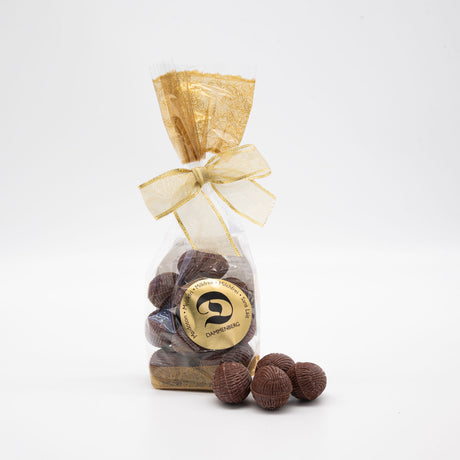
Organic nut-free and soy-free Easter eggs - 46% (Dammenberg)
€7,99 EUR€8,99Unit price€12,11 EUR / 100gUnavailable  New arrival
Easter egg + chocolate bar from nut-free chocolate with hazelnut flavour - Plamil
€8,99 EUR€9,99Unit price€7,19 EUR / 100gUnavailable-
New arrival
Easter Egg + Small Bar Dark Chocolate Reduced Sugar 72% - Plamil
€8,99 EUR€9,99Unit price€7,19 EUR / 100gUnavailable -
New arrival
Easter egg + mini bar made from coffee chocolate – Plamil
€8,99 EUR€9,99Unit price€8,17 EUR / 100gUnavailable




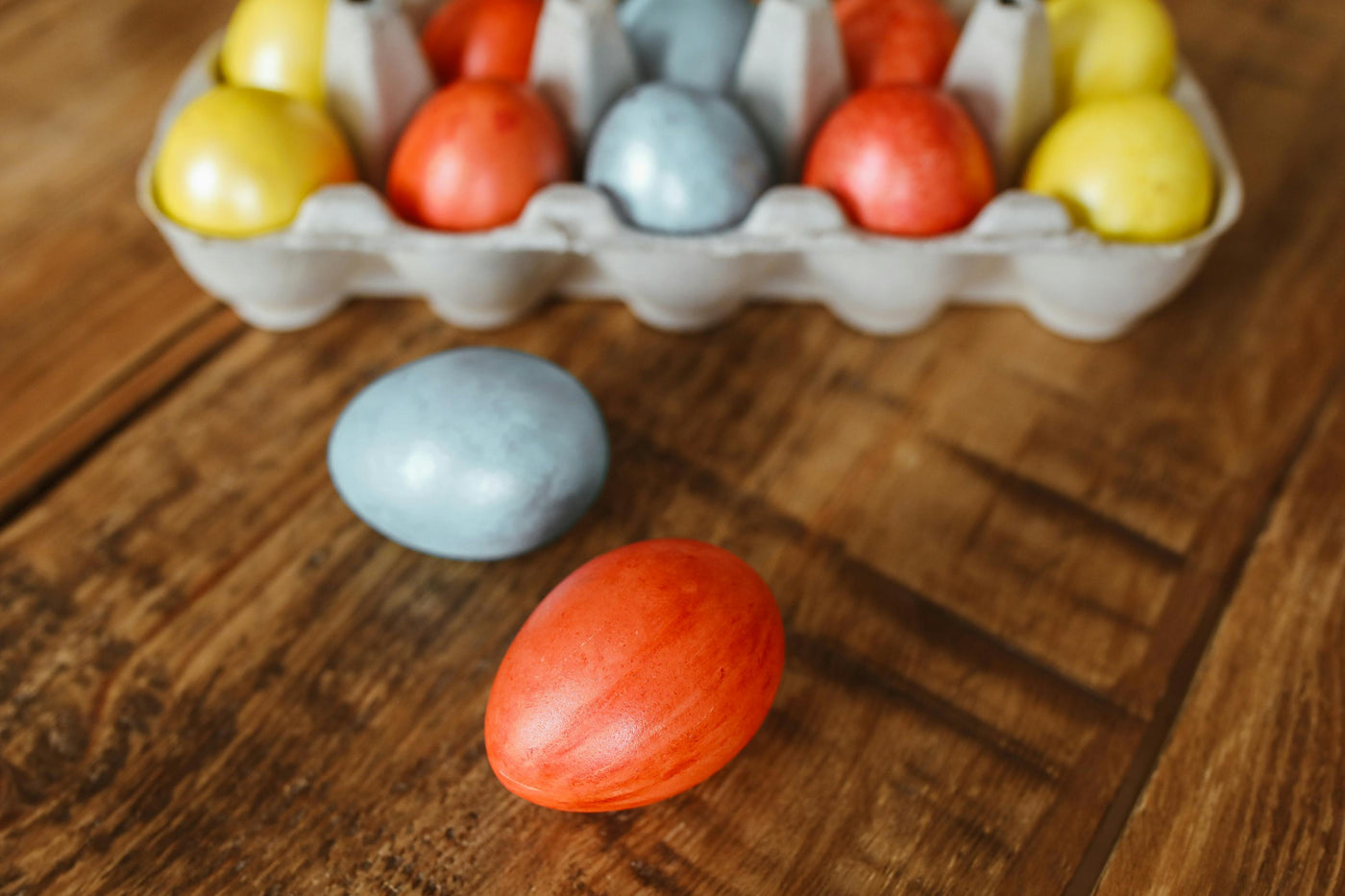

Allergen-Free & Vegan Chocolate Easter Eggs – Easter can come!
No matter whether you prefer white, dark, or milk chocolate: In our online shop, we have the right Easter eggs for your preferences – completely free of nuts, gluten, soy, and other common allergens. After all, we want everyone to be able to participate in this beautiful tradition and enjoy snacking! Perfect for any child's Easter basket are our Organic Nut-Free and Soy-Free Easter Eggs - 46% (Dammenberg). These small works of art are not only the perfect Easter decoration but also wonderfully creamy, GMO-free, organic, fair-trade, and vegan. If you prefer white chocolate, we recommend the Organic White Nut-Free and Soy-Free Easter Eggs - 39% (Dammenberg), which pamper the palate with their pleasant sweetness. Fans of dark chocolate, on the other hand, will love our Organic Criollo Nut-Free and Soy-Free Easter Eggs - 79% (Dammenberg). Handcrafted from noble Criollo cocoa beans, these eggs have a particularly intense, slightly bitter taste. No matter which variety you choose, most of our Easter eggs are not only nut-free but also free from milk, egg, and gelatin, making them vegan. This way, absolutely no one has to forgo the magical taste of chocolate during the holidays!

Chocolate for people with allergies and intolerances
The custom of Easter eggs dates back a long time. Since the 10th century, it has been a Christian tradition to give each other eggs at Easter as a symbol of rebirth. With the spread of chocolate in the 18th and 19th centuries, chocolatiers also began to produce delicious chocolate eggs for the Easter season, which were particularly popular with children. Nowadays, the hiding, decorating, and eating of Easter eggs is commonplace in this country, and products exist in the most diverse colors and flavors. However, allergy sufferers and people with special dietary needs often have to forgo the joyful Easter egg experience. This is because most chocolate eggs available in supermarkets contain allergens such as nuts, tree nuts, and lactose, or traces of these ingredients. That's why we at Schoko Wunderland specialize in high-quality, delicious chocolate that is guaranteed to be free of peanuts, almonds, and co., and can be enjoyed by everyone without concern. Whether nut-free, dairy-free, or sugar-free – add your favorite type of Easter egg to your cart and benefit from our fast delivery and friendly prices.
Frequently Asked Questions
What do you do with chocolate Easter eggs at Easter?
What do you do with chocolate Easter eggs at Easter?
Chocolate Easter eggs are an integral part of Easter traditions and are wonderful as seasonal decorations in the house, as small gifts, or for hiding and searching in the garden. Ultimately, however, the taste and content of the eggs should be the focus, as they will be consumed little by little.
Which Easter eggs are nut-free?
Which Easter eggs are nut-free?
Most supermarket Easter eggs contain nuts or are made by producers who process nut products in their factories—and may therefore contain traces of nuts. This chocolate is therefore unsuitable for people with food allergies. However, when you shop at Schoko Wunderland, you don't have to worry: All our products are guaranteed nut-free, making them a safe treat for allergy sufferers!
What is the meaning of Easter eggs?
What is the meaning of Easter eggs?
Eggs have been used in Christianity for centuries as a symbol of the resurrection of Jesus Christ. In addition, giving eggs as gifts also had practical reasons. Since a surplus of eggs arose during Lent, the eggs were boiled, preserved, and given as gifts. With the spread of chocolate in the 18th and 19th centuries, chocolatiers capitalized on the symbolism of eggs and began producing chocolate eggs for Easter.


